How First Paragraphs Can Shape Misconceptions About Autistic Empathy
by Elke — Selkies of Orkney
Most people don’t finish academic books. They read the introduction, skim a chapter, hit one confident‑sounding sentence, and walk away thinking they’ve learned something true.
And that’s how misconceptions can survive: not through malice, but through assumptions.
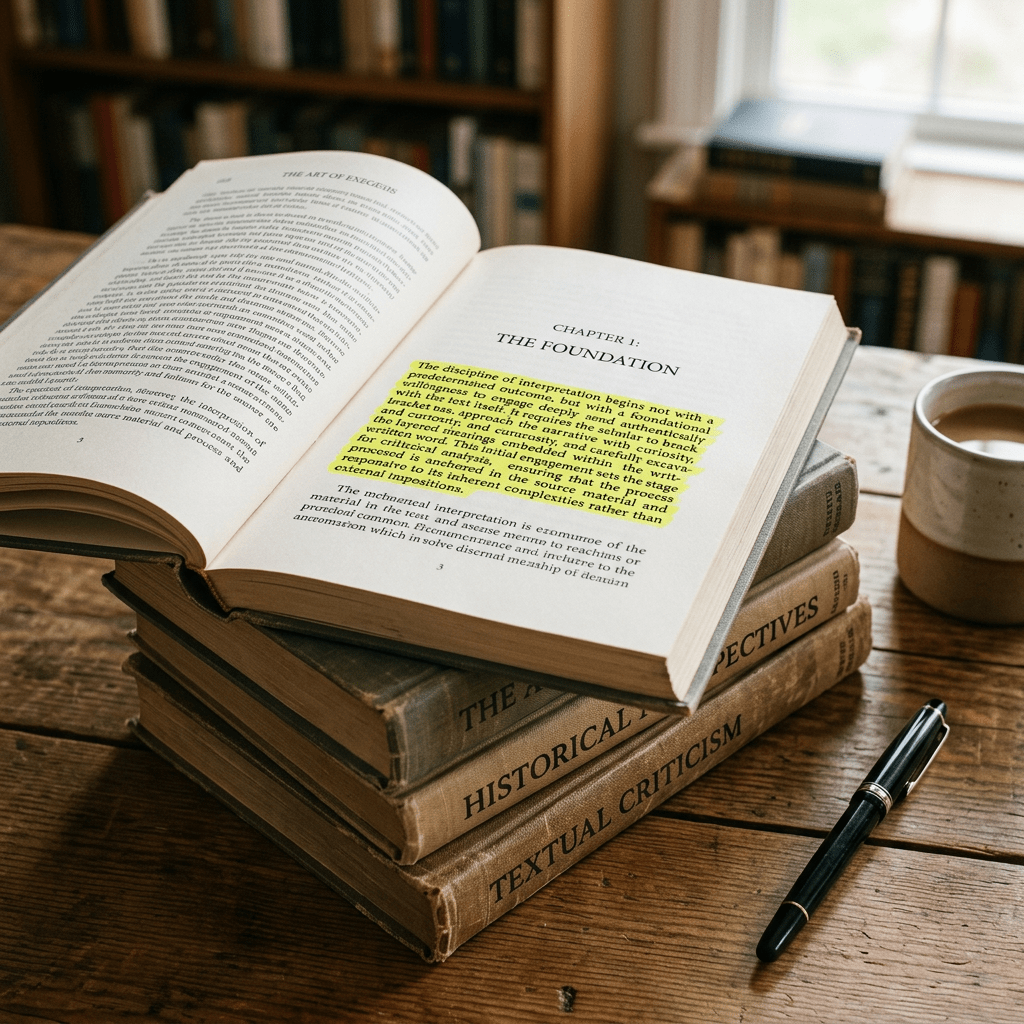
I’m reading a book on empathy at the moment. It’s a genuinely interesting, thoughtful piece of work. But in the very first paragraph of a chapter on individual differences, it places autism alongside psychopathy and narcissism as “conditions characterised by deficient empathy.”
It’s a well-known framing one that comes from older models of autism, and I understand why it appears there. However!
If someone stops reading at that point, then that’s the belief they carry away.
And many people do stop there. “due to trigger or expect an answer or outcome that aligns with their expectations.
The irony is that the rest of the chapter creates a well-informed contradiction to that opening line. And shows that autistic people:
- experience strong emotional resonance
- show distress when others are distressed
- feel genuine concern
- have intact or heightened affective empathy
- struggle with mindreading, not caring
In other words, autistic empathy isn’t absent, but it does show itself differently, and people often miss it. Imagine two radios on opposite sides of the road: one receives the signal easily, the other needs a small adjustment to tune in. The signal was always there.
The book acknowledges this. But the correction arrives after the stereotype has already been planted, with confidence and in confirming potential bias.
This isn’t a criticism of the author, as the book is rich, nuanced, and worth reading. It’s a criticism of the structure of academic writing, where the introduction often repeats old assumptions and the nuance is clarified later, “if you have the patience”.
A gentle truth: autistic people do miss social cues, and that matters!
It matters a lot.
As humans and as communities, parents, friends, family, employers, coworkers, we have to learn how to hold information, biases, and assumptions honestly, without shame and without pathologising. And we need to stop treating the theories we hear or read as absolutes.
Autistic people often don’t automatically read social cues the way neurotypicals do. That’s not a moral flaw. It’s not a lack of empathy. It’s a difference in how information is processed.
And yes, that difference can create real vulnerability:
- missing warning signs
- trusting too quickly
- not recognising manipulation
- assuming honesty because you offer honesty
However, these are not “deficits.” They’re simply different locations in reception, like two radios tuned to different frequencies. The message is there; you just need to tune in.
One to remember!
Empathy is not a need for moral virtue!
One thing I’ve written before, and still believe, is that empathy is not the same as goodness.
Empathy is a capacity, not a moral compass. People can have high empathy and behave badly. People can have low empathy and behave ethically and with moral goodness.
So when we talk about autistic empathy, we’re not talking about morality. We’re talking about how information is processed, how signals are read, and how emotions are expressed.
That distinction matters. It frees autistic people from the old, unfair assumption that “different empathy” means “less human.”
My Final Thought
This is not about a lack of empathy. It’s about what happens when people are misunderstood, when their signals aren’t recognised or returned.
Psychopathy is defined by callousness. Narcissism is defined by emotional avoidance. Autism is defined by differences in frequency, not deficit.
If we want to build a more understanding community in Orkney and beyond, we need to start by challenging the stereotypes that hide in the first paragraphs.
Not by attacking authors, as in this case, they were the inspiration for this article. Not by dismissing books, but by reading deeper, thinking critically, and refusing to let outdated framings define real people.
That’s the work of Selkies of Orkney. And the Selkies everywhere.
© Elke T.B. Stevens 26/06/2026
 Selkies Of Orkney