| Latest news from the Neurospicy world |
By Elke Stevens.
After Summer Plans
Selkies in the community
First, it might help to know that the Selkies of Orkney grew out of a very specific moment in my life. That moment became the catalyst for a new life and for this project: a way to no longer swim alone. Many of us have found our skin again and are learning to swim once more, only this time, not alone.
A gathering is on the horizon. The Selkies of Orkney are growing, and before planning anything formal, I want to hear from you: the people who might come. I would like to know what you would need in order to attend, including the comfort of the space, the time of day, and anything you would prefer to avoid where possible. I want the event to be open to both neurodivergent and non-neurodivergent people.
At this stage, I am hoping to hear from you about how you imagine this event could take place. I would also love to know what information, support, or conversations you hope to get from the meeting, as well as any ideas you have for future directions the Selkies could grow into. I will also share my own thoughts on the event and explain why I believe art and expression can become a path to connection, learning, and education in the community.
For now, I would like to keep things open, without pressure or too much structure, so the idea has room to develop naturally. I hope that by the next newsletter, we will have new names, new voices, and perhaps even new articles to share.
You can email us with questions and suggestions at selkiesoforkney@gmail.com
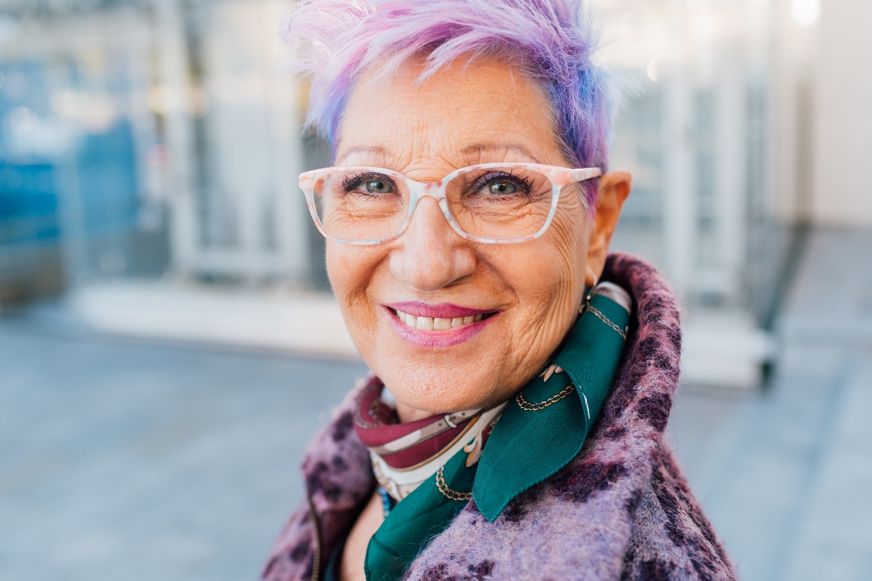
Picture info: Microsoft Word stock image. The name Ann is fictitious to protect her identity
By Elke Stevens
The Selkies at the Autism &
ADHD Show in Liverpool
Ageing Women and ADHD, Not Dementia, and Why the Selkies Exist.
“Is it okay if I sit next to you while we wait for it to open?” “Please, take a seat.” That is how Ann and I met. We spoke until the Autism and ADHD Show opened, and somehow we seemed to find each other more than once throughout the day. As the day went on, Ann began to open up about her story and why she had come to the show.
Her story is one of many, but what made it stand out was that she had already passed the milestone of her 70th birthday. Simply by being herself, Ann reminded me that age can sometimes distract people from seeing what is really happening, especially when low executive function and working memory difficulties are involved.
Her tenacity, joy for life, curiosity, and growing insight into herself were inspiring. She understood that we are all products of our time, and in her own lively way, she confirmed something I have come to believe deeply: when we understand ourselves better, we can help not only ourselves, but also future generations.
For years, Ann went back and forth to her GP practice because she had noticed differences between her own experience of life and that of her peers. The first instinct was to refer her to the dementia clinic. That assessment came back negative, and Ann herself did not identify with having dementia. The only overlap she recognised was poor short-term memory, but not enough to explain what she was experiencing.
So she returned to her GP. Several times, because of her age, the GP suggested referring her back to the dementia clinic. A possible alternative was not yet being seen. Eventually, Ann agreed to return to the dementia clinic. This time, a clinician recognised the possibility of ADHD and referred her for an assessment. The assessment came back positive. It was a life-changing moment for her. After some research and several books, Ann began to understand herself better. She also began to understand her anxieties differently. As the fear around her mental health eased, healing could begin.
A note of compassion: we have to remember that not all information reaches everyone at the same time. Many professionals are already working under serious time constraints and may not always be in a position to seek out every new development. If they have not been confronted with a particular issue, or if new information has not yet reached their
practice, they may simply not be aware of it.
That is why Ann’s story matters. It reminds us to listen carefully, especially to older women whose struggles may have been hidden, misunderstood, or explained away for decades. It also reminds us why the Selkies exist: to create space for recognition, connection, creativity, and the possibility that it is never too late to find the words for who we are.
Elke T.B. Stevens 12.7.26
 Selkies Of Orkney